Koala Identification

Harnessing AI & Citizen Science for Koala Conservation

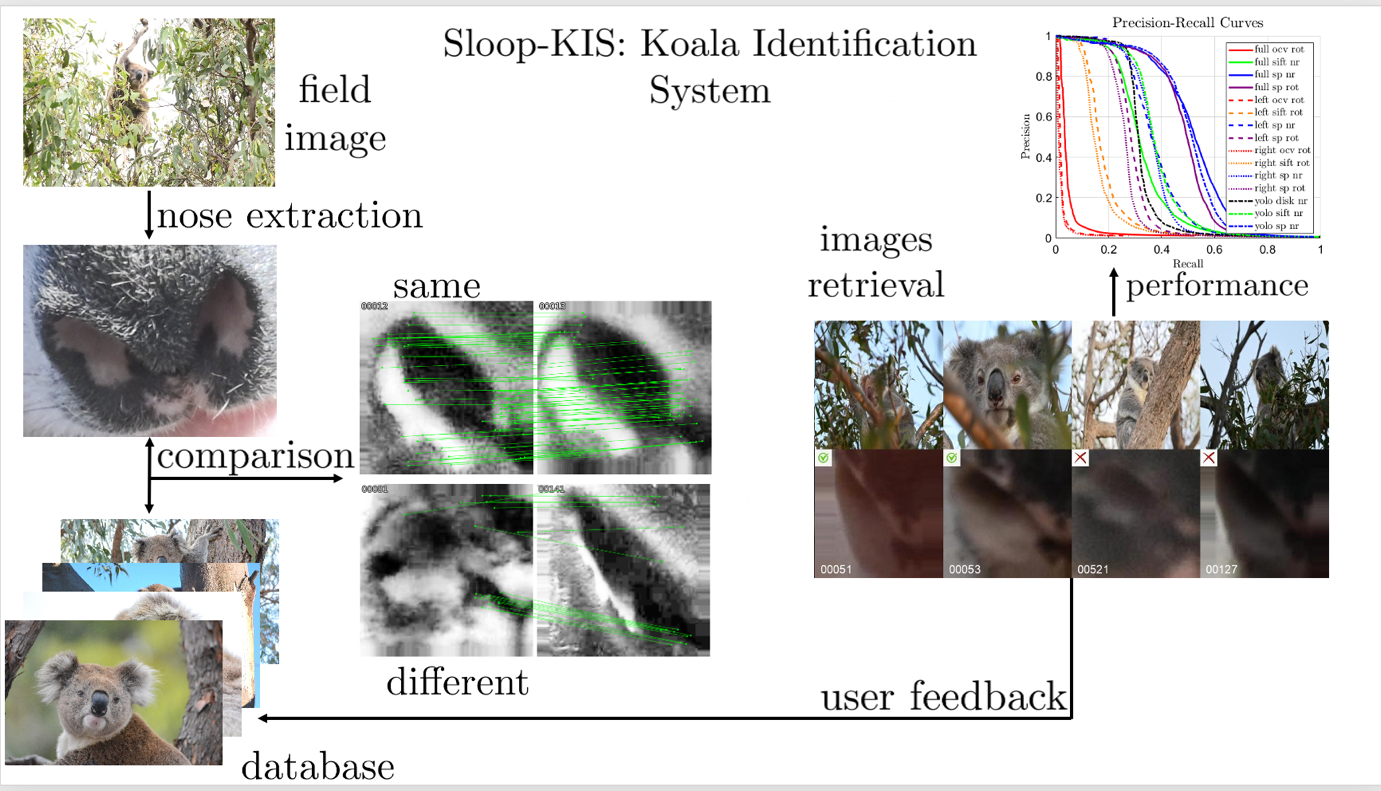
At Koala Snap, we are revolutionising koala conservation by combining cutting-edge AI technology with the power of citizen science. Through the SLOOP Identification Process, we can accurately identify individual koalas using their unique nose patterns—just like human fingerprints. This allows us to track their movements, understand their behaviours, and monitor their habitats over time.

By taking part in Koala Snap, you can help build a comprehensive database of koalas, making it easier to protect and conserve this beloved species.

The Process

How To Record Your Sighting

Step 1

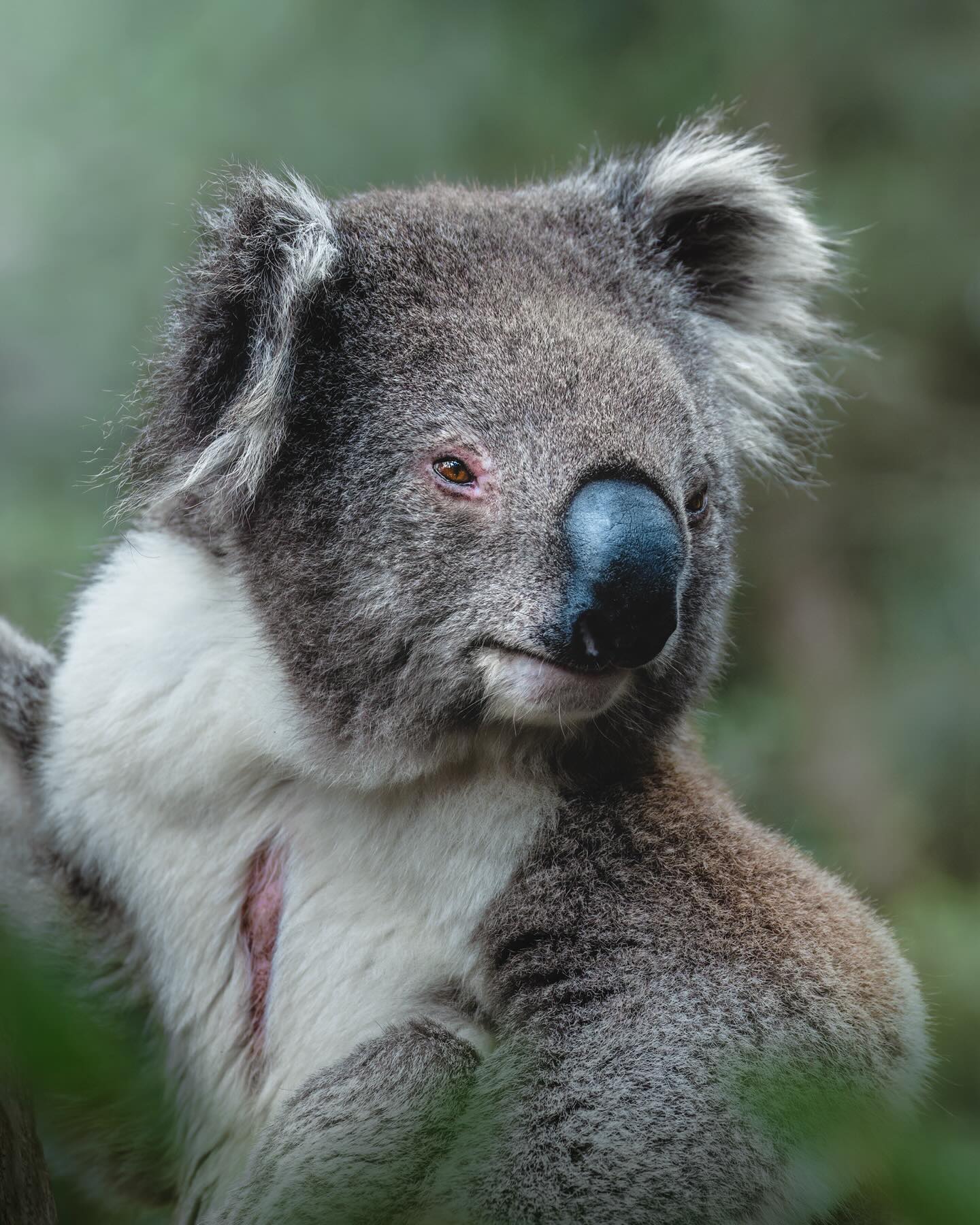
Take a Clear Photo of a Koala’s Nose

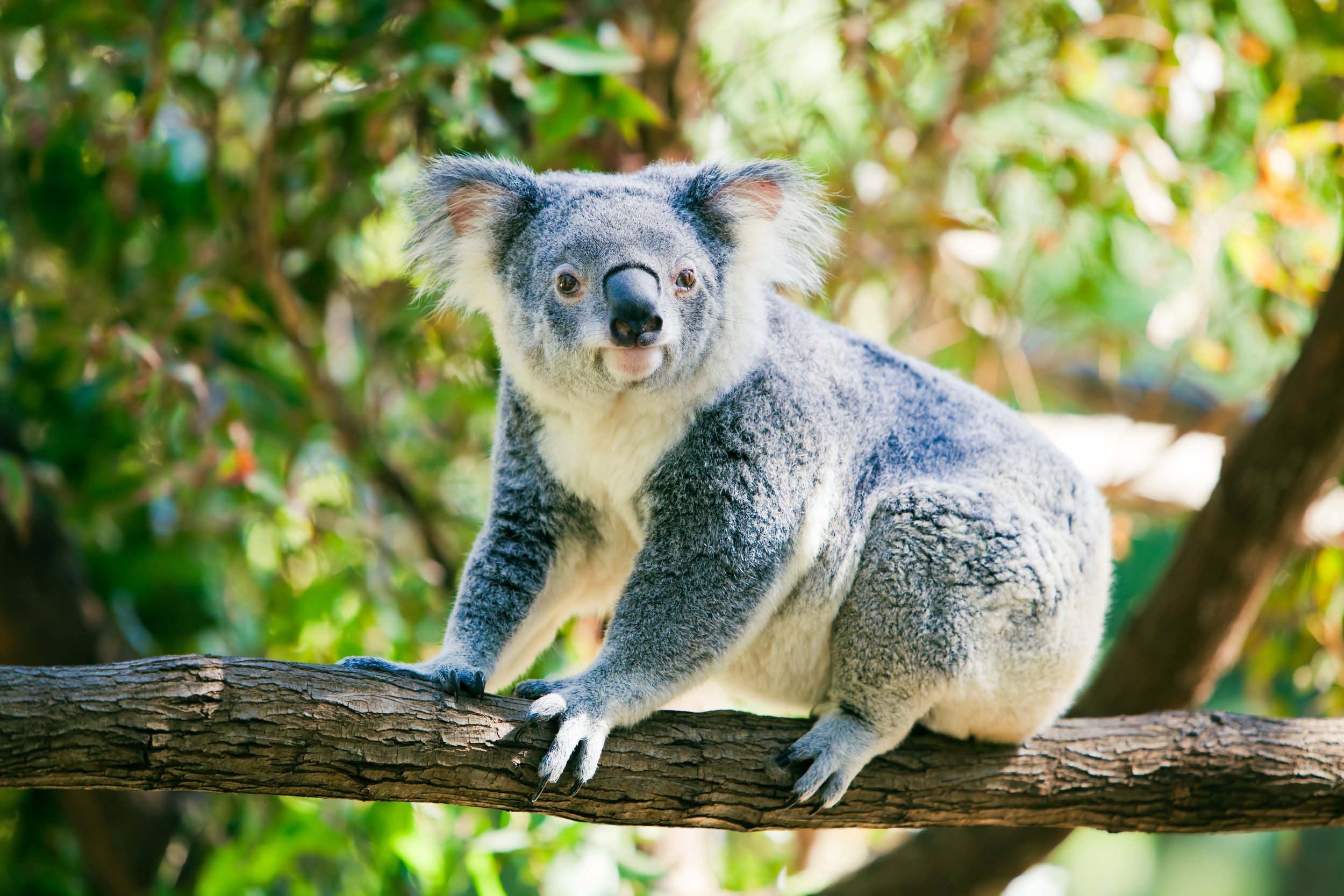
Every koala has a unique nose pattern that remains unchanged throughout its lifetime. Capturing a clear image of a koala’s nose is the key to identification.

Ensure the image is well-lit and focused.

Take a front-facing shot of the koala’s nose.

Avoid obstructions - keep the nostrils visible for accurate identification

Step 2

Submit Your Photo to Koala Snap

Upload your image via the Koala Snap Messenger app.

Location: Where did you see the koala?

Tree Type: What kind of tree was it in?

Behaviour: Was the koala eating, sleeping, climbing, or interacting with others?

Step 3

AI-Powered Identification with SLOOP

Once uploaded, our AI system scans the image and compares the koala’s nose pattern to our growing database.

If a match is found, your sighting will be linked to that koala’s profile.

if it’s a new koala, it’s added to our database for future monitoring.

Resources

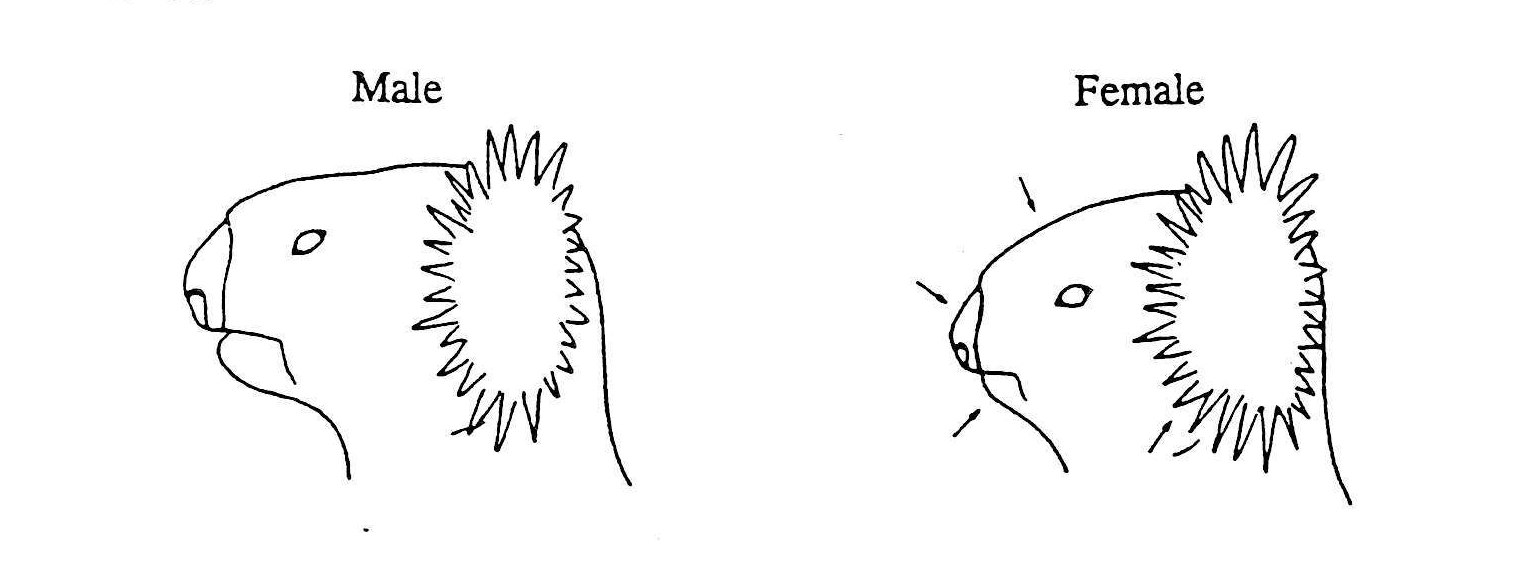
Koala Gender Identification: How to Tell if a Koala is Male or Female

Determining a koala’s gender can provide valuable insights into population dynamics and breeding patterns. While close physical examination is not always possible, there are several visible characteristics that can help you identify a koala’s gender in the wild.

Size

Scent Gland

Most Reliable Indicator

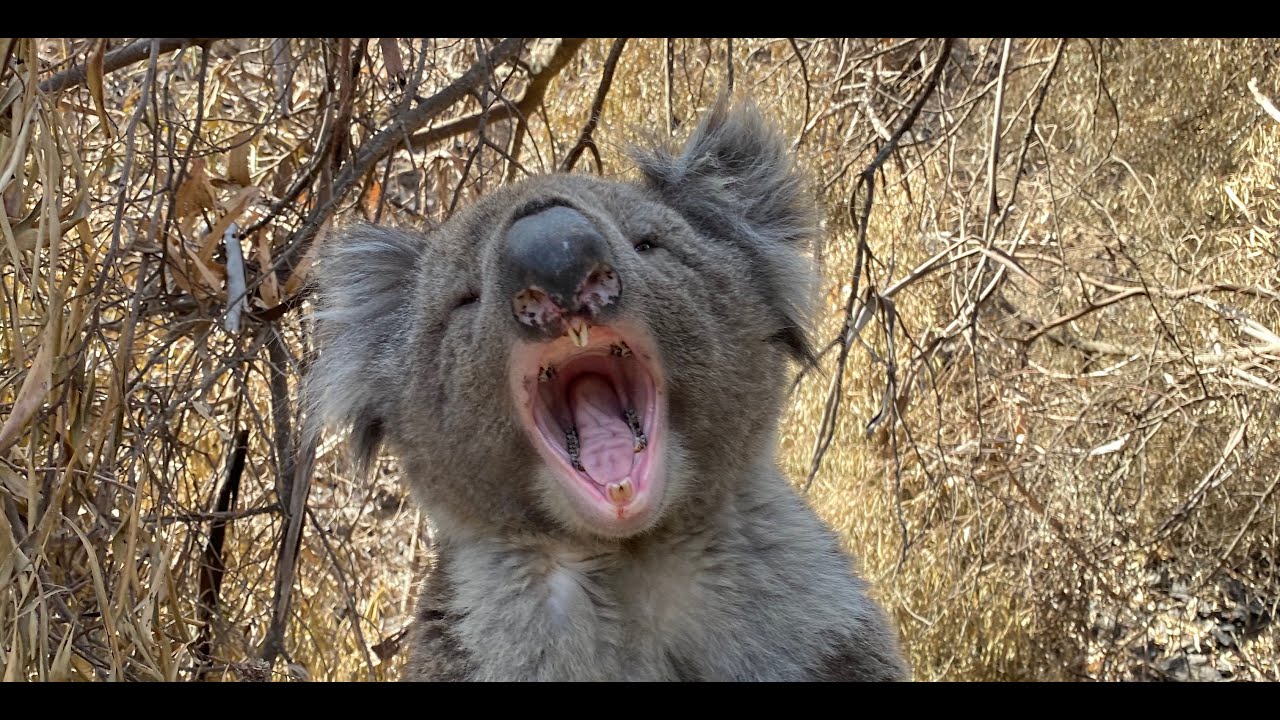
Calls & Sounds

Watch here

Next time you spot a koala, take note of these features and see if you can determine its gender!

Nose Profile

Genitals

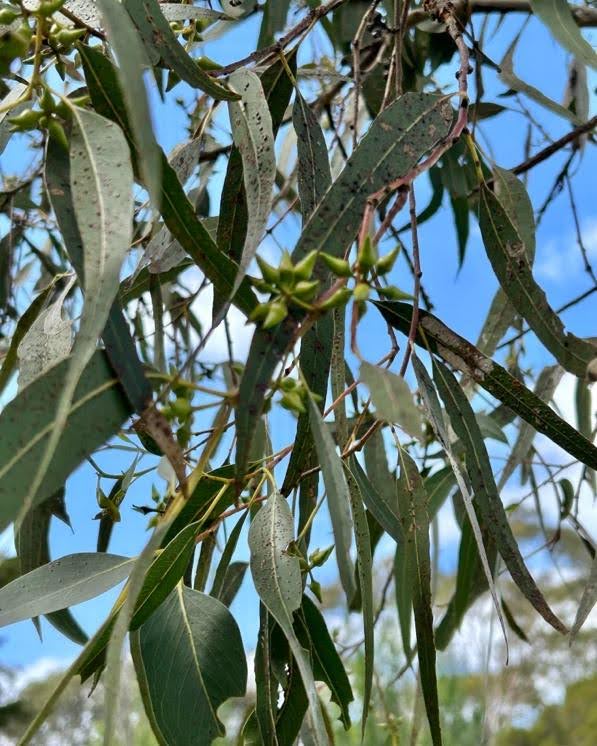
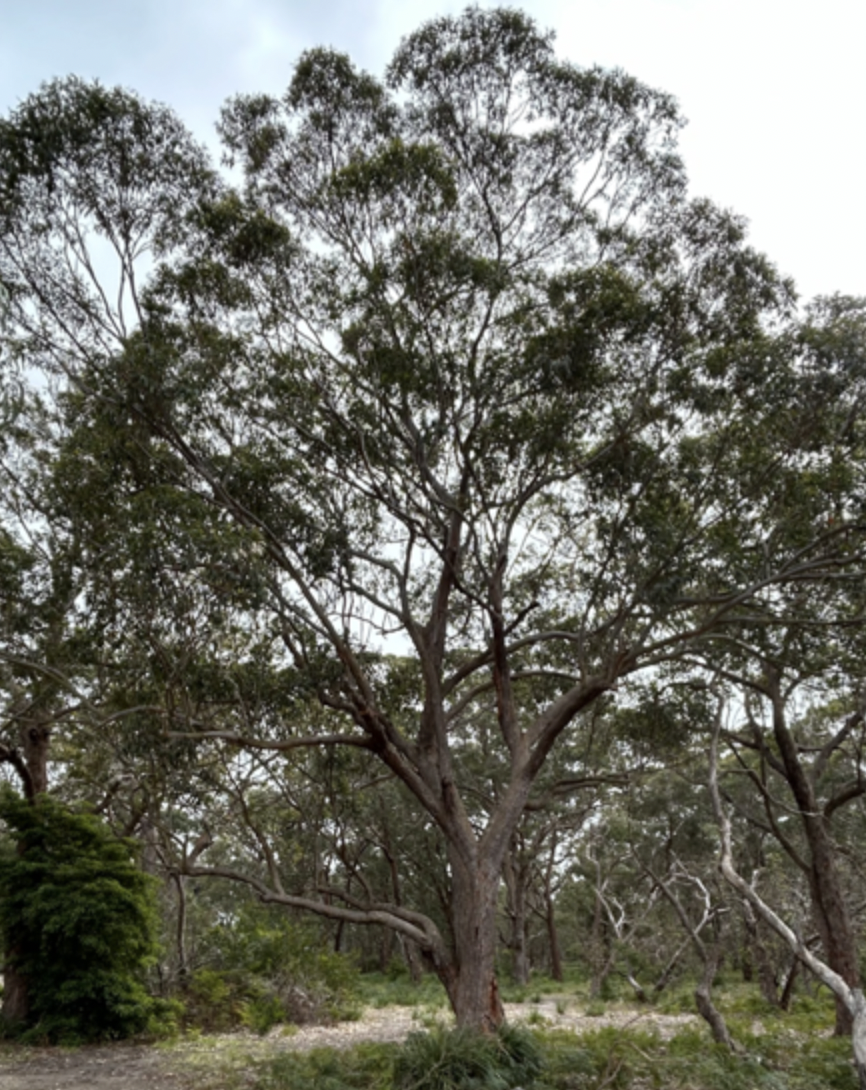
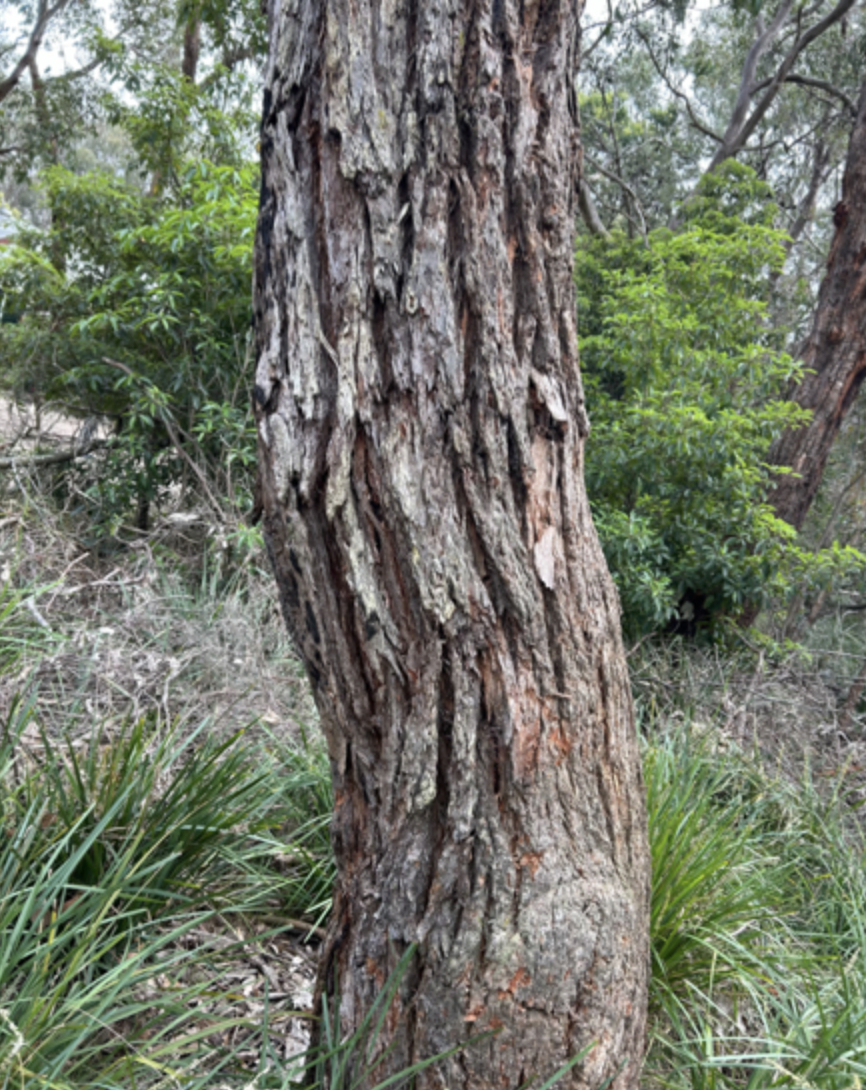
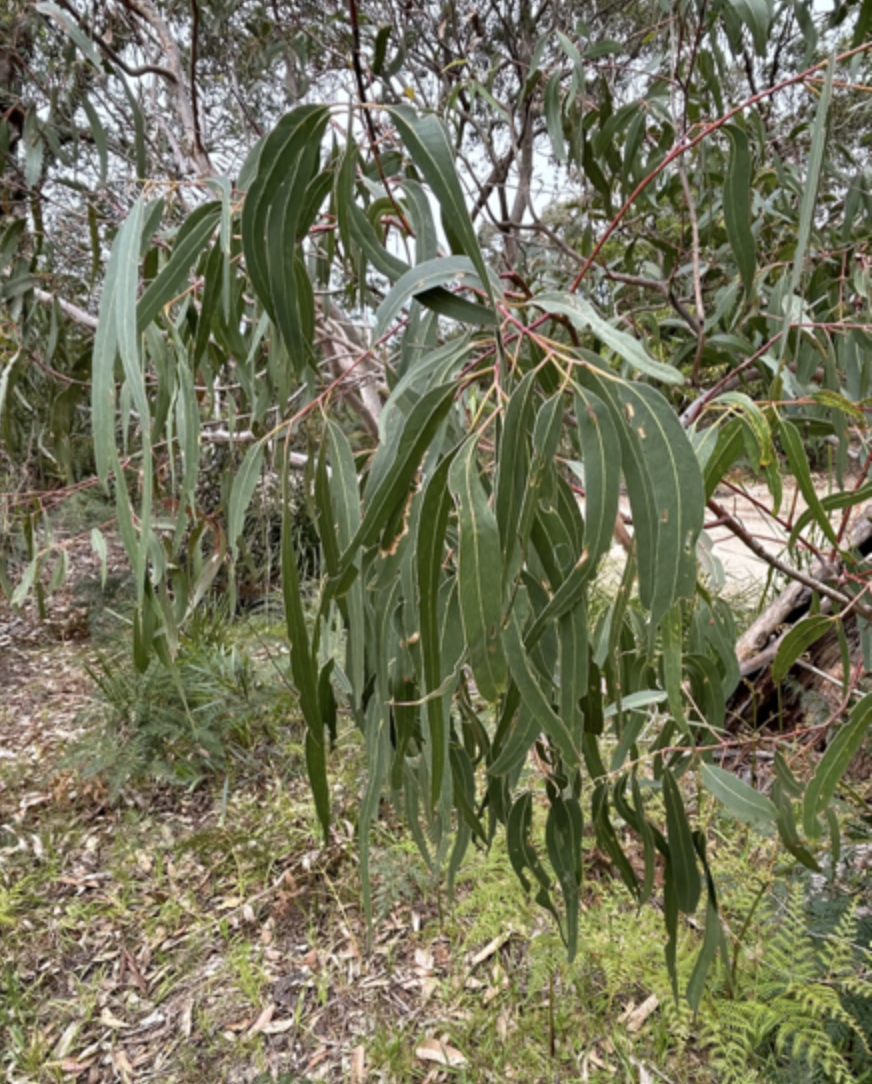
Koala Tree Identification: Understanding Their Habitat

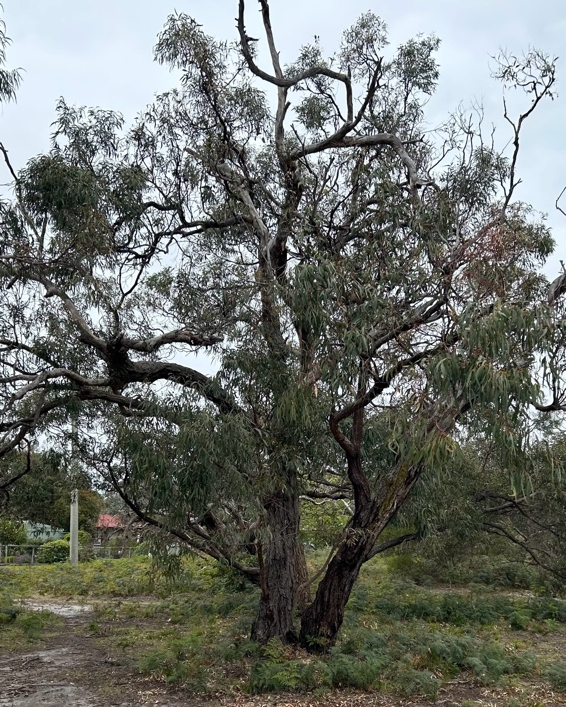
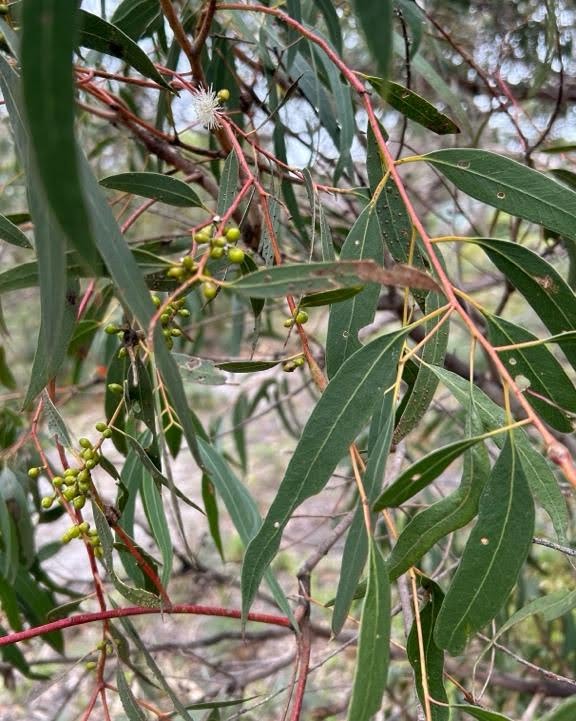
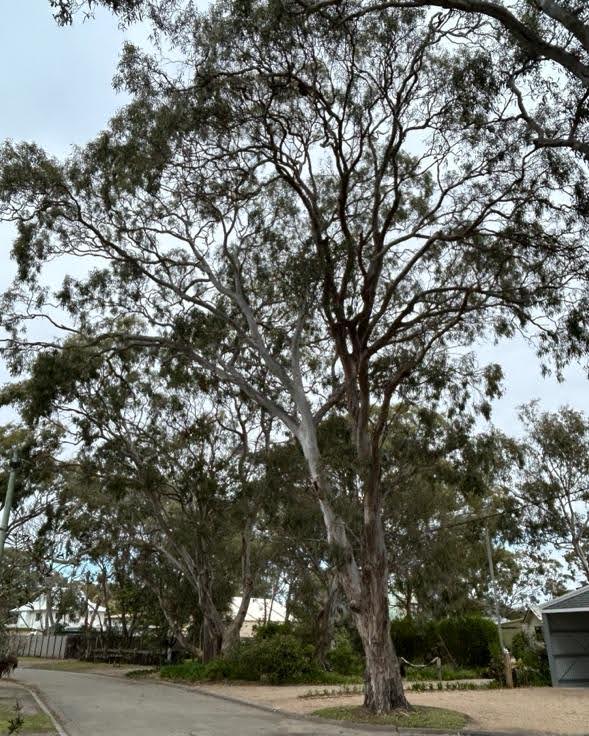
Koalas are picky eaters that rely on specific trees for food and shelter. Identifying the trees they prefer will support programs to protect their habitat and to monitor the adequacy of their food supply.

Koalas on Raymond Island Are Commonly Found In The Following Trees

Manna Gum

Eucalyptus viminalis

Red Gum​​

Eucalyptus camaldulensis​

Southern Mahogany​

Eucalyptus botryoides​

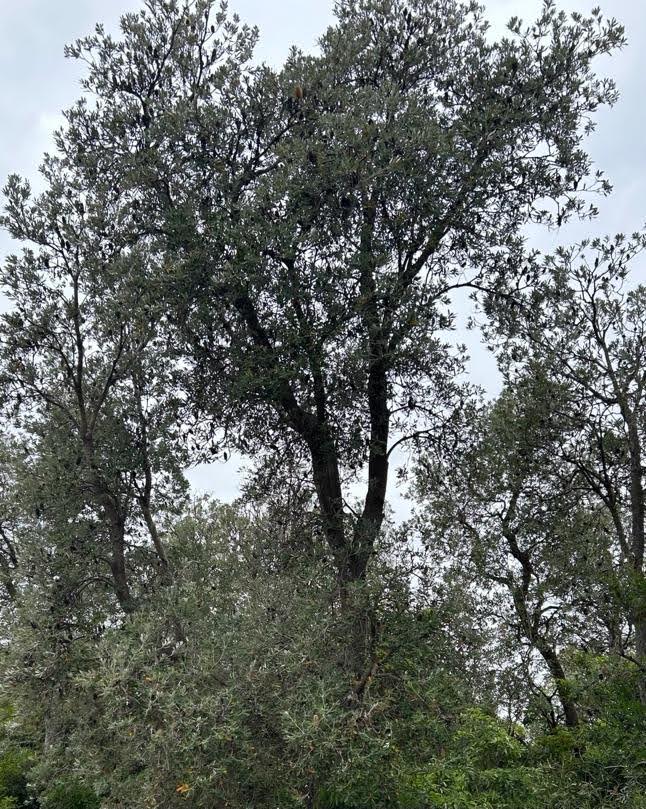
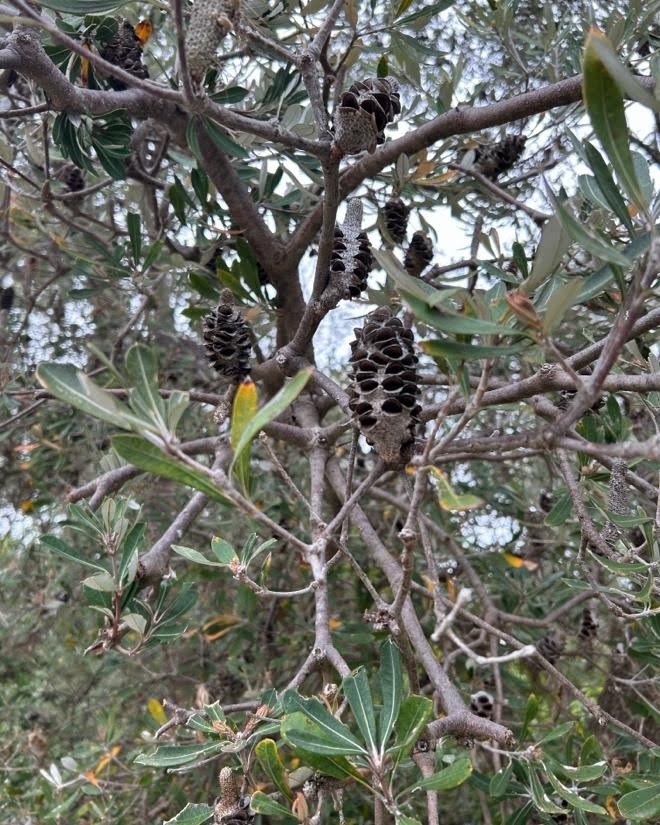
Banksia​

Banksia integrifolia

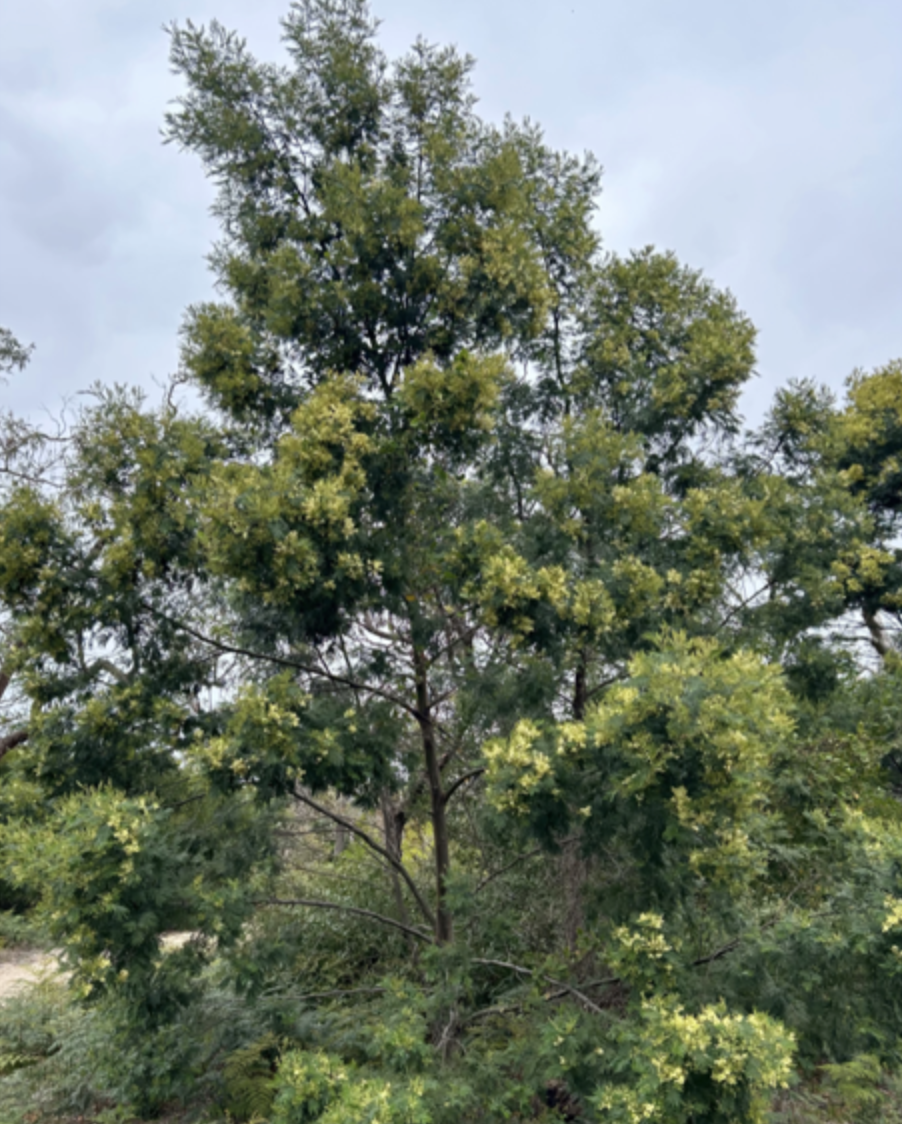
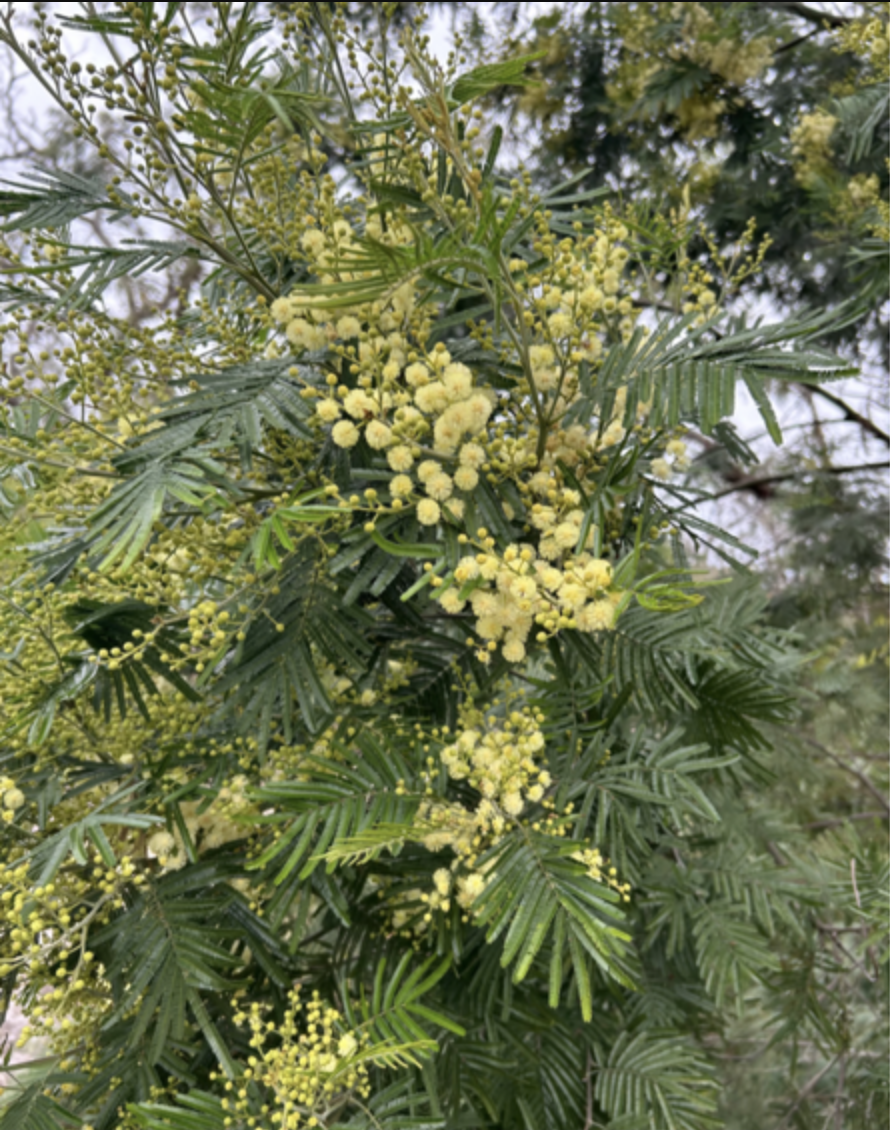
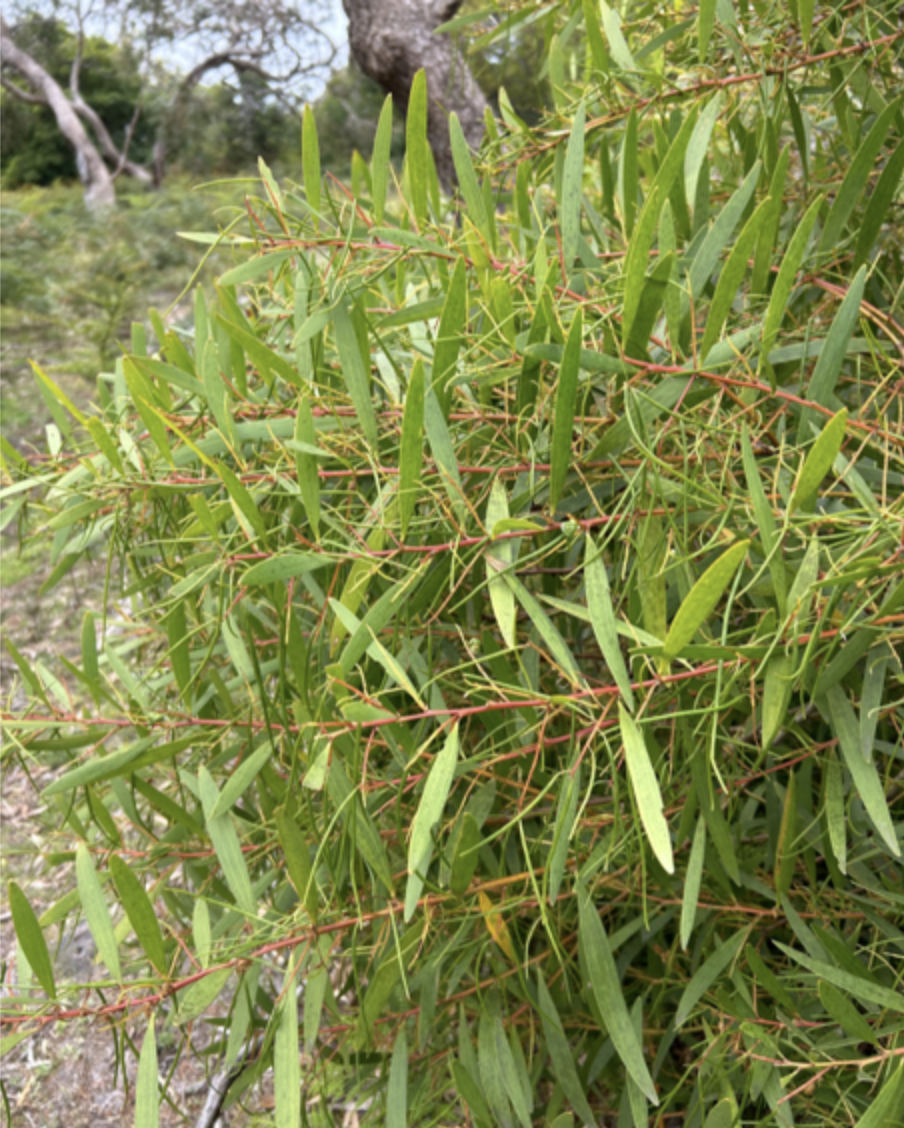
Wattle​

Acacia species

Banksia​

Banksia integrifolia

Wattle​

Acacia species

Manna Gum

Eucalyptus viminalis

A primary food source for koalas

Red Gum

Eucalyptus camaldulensis

A primary food source for koalas

Southern Mahogany

Eucalyptus botryoides

Shelter and occasional food source for koalas

Banksia

Banksia integrifolia

Shelter trees

Wattle

Acacia species

Shelter trees

Photo Tips

Photo Quality

  • Identification accuracy depends on image quality.
  • The key requirement: clear pigmentation patterns in the nostril area must be visible.

Editing Your Photo

If using a smartphone, or a camera you can transfer from, edit your image before uploading:
  1. Crop the image to focus on the koala’s face or nose.
  2. Adjust exposure and shadows to enhance pigmentation details.

High-Value Snaps

All images contribute to our research, but some are especially useful.
  • We already have extensive data from the township and koala trail areas.
  • Can you help by photographing koalas in less-documented areas of the island?

Koalas on Private Land

Photos from private properties are highly valuable, but please obtain the owner’s consent before entering.

How to Submit a Koala Sighting

1
Spot a koala.
2
Check if the nose is clearly visible.​

Take a photo.

3
Scan QR code to access Messenger.
4
Enter sighting details.
5
Edit the photo (see above).
6
Select and upload the image.
7
Enter the sequence number (see below).
8
Submit your entry.

Sequence Number

  • Helps track images and match them with later-submitted data.
  • Use your device’s default image number (e.g., DSC_XXXX or IMG_XXXX).
  • Enter only the last four digits.

Location Data

  • Accurate location data helps track koala movements, range, and population density.
  • Most smartphones and some cameras have built-in GPS functionality.
  • Cameras without GPS can sometimes connect to a smartphone for location tagging (e.g., Nikon’s SnapBridge app).
  • Ensure Location Services are enabled on your device and set precision to high.

How Koala Snap (SLOOP KIS) Works

  1. Receives your submission.
  2. Transfers the image and details to the database.
  3. If needed, detects the koala and nostrils in the image.
  4. Compares nostril patterns with those in the database.
  5. Suggests the closest matches for confirmation.
  6. Assigns the image to an existing or new identity.
  7. Updates the database.
  8. If requested, returns the koala’s identity and related information.

Research & Analysis

  • Our database contains images, dates, and locations but currently holds only limited observation data (e.g., gender, activity, tree type).

  • While the dataset is intentionally limited, it can be expanded for specific research projects.

  • Access to the database will be available for analysis and research.
Volunteers Needed

We need volunteers to help with data analysis and presentation development.

If you have skills in data analytics, research, or communication, contact the Koala Island Foundation to get involved.