
Pioneering Koala Conservation:
The Power of Non-Invasive Identification
Background
Foundations
Identifying individual animals in the wild is essential for studying their behaviour, conserving populations and developing effective management strategies. Traditional methods often rely on invasive techniques. Koala Snap enables non-invasive identification – improving research accuracy while prioritising animal welfare.
Non-Invasive Identification: Koala Nose Patterns
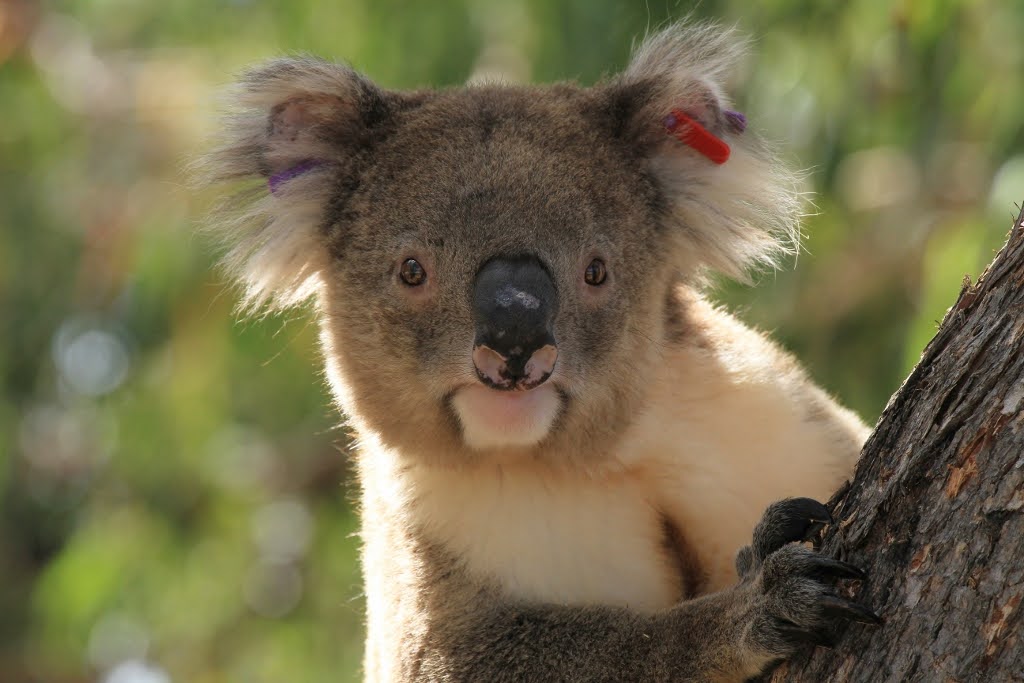
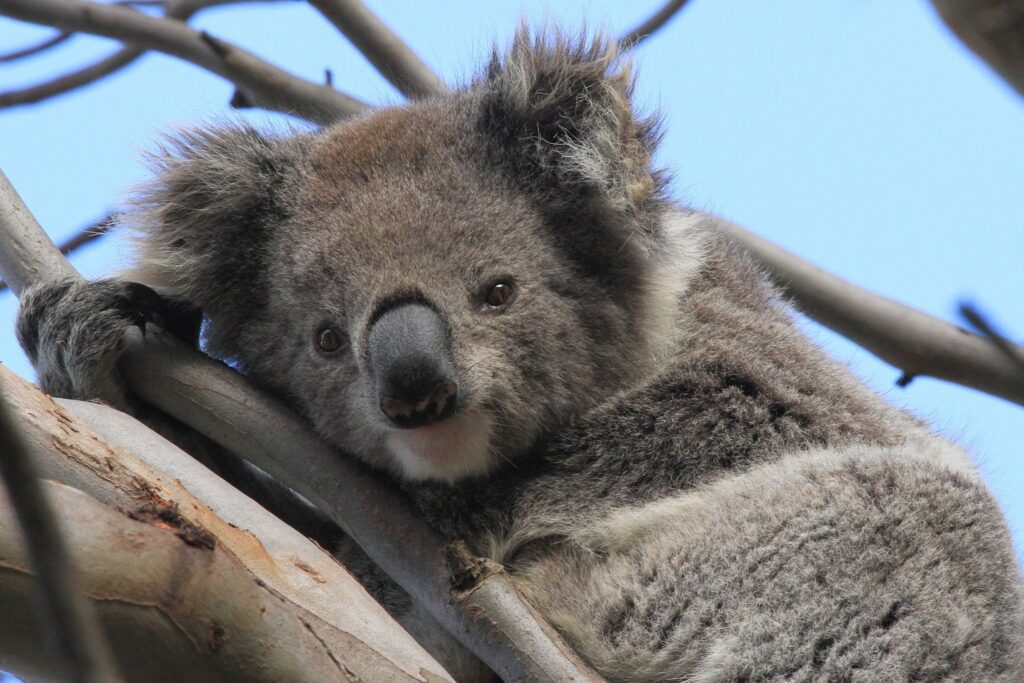
In 1999, Janine Duffy of the Koala Clancy Foundation discovered that each koala’s nose has a unique pattern, much like a human fingerprint. This breakthrough led to a method of identifying individual koalas through nose pattern photography.
This technique allows researchers and citizen scientists to track koalas without capturing or tagging them, reducing stress on the animals while ensuring accurate monitoring. For a detailed explanation, refer to the research paper “On the nose: validating a novel, non-invasive method to identify individual koalas using unique nose patterns“
Advancing Identification with Technology: MIT’s SLOOP
While nose pattern identification is highly effective, manually managing and analysing thousands of images is time consuming. To streamline this process advancements in computer vision and machine learning have been integrated into wildlife identification.
One such innovation is the SLOOP (Symbiotic Learning Observatories for Organismic Photo-identification) system, developed by Dr Sai Ravela and his team at the Massachusetts Institute of Technology (MIT).
SLOOP is a powerful pattern retrieval engine that leverages cloud computing and machine learning. Originally designed for the marbled salamander, SLOOP has been adapted for various species and is now being applied to koalas.
By automating image analysis and matching photos to a database, SLOOP dramatically reduces the time required to identify individual koalas. For more details visit MIT’s SLOOP website.
Collaboration: The Koala SLOOP Team
In July 2022, Dr Sai Ravela partnered with David Peile from the Koala Island Foundation to adapt the SLOOP methodology specifically for koalas. This collaboration resulted in efforts in an advanced system that matches koala nose patterns with images in a database, significantly improving identification and supporting conservation efforts.
The Koala SLOOP Team comprises:
- Dr. Sai Ravela, MIT
- Prof. Joaquin Salas, IPN
- Prof. Pablo Vera, IPN
- David Peile, Koala Island Foundation
The Importance of Individual Identification in Conservation
Identifying individual animals is vital for understanding species’ behaviours, social structures, and population dynamics. Non-invasive methods like nose pattern recognition, combined with advanced technologies such as SLOOP, offer efficient and ethical approaches to wildlife research. These innovations improve data accuracy while minimising human interference, ensuring better animal welfare.
By leveraging these methods, conservationists can monitor koala populations more effectively, implement targeted conservation strategies, and contribute to the preservation of this iconic species.
At Koala Snap, we are dedicated to using cutting-edge techniques to engage citizen scientists in koala conservation. Your participation – photographing and submitting koala nose patterns – plays a vital role in protecting and understanding these unique animals.
The Science Behind the Idea:
Each koala has a unique nose pattern, allowing for individual identification without invasive tagging. This groundbreaking method was pioneered by Janine Duffy of the Koala Clancy Foundation, enables researchers to track populations and study behaviours without disturbing the animals.
Accurate identification allows researchers to track koala populations, study behaviours, and monitor health—all without invasive tagging or disturbance.
Dr. Sai Ravela and his team at MIT developed SLOOP, a revolutionary machine-learning system that accelerates and enhances animal identification. By processing thousands of koala images quickly, SLOOP unlocks insights faster than ever before, transforming conservation efforts.

Imagine If Every Koala Had Its Own Digital ID!
Turn every snapshot into a step towards koala conservation
Every photo you share helps secure a sustainable future for our koalas.
How It Works
Every action counts. Learn how easy it is to help in just a few steps:
Snap a clear shot of a koala’s nose—yep, the nose! Each koala has a unique nose pattern, kind of like a fingerprint, making it their very own ID badge.
Send in your photo along with details about the koala’s location, behaviour, and the surrounding environment
Our AI-powered system will analyse your photo and compare it with our database to identify individual koalas.

Getting started is easy. Simply Scan the QR code to go to the Messenger App, type "koala" and send the message for instructions to send photos.
Currently Koala Snap is limited to the Raymond Island colony. Interested in applying this elsewhere? Contact the Koala Island Foundation to discuss.
